The Importance of Regular Auto Repair: Maintaining Your Vehicle in Peak Condition
Routine auto repair is vital for maintaining vehicle performance and longevity. Many car owners neglect the significance of routine maintenance, which can lead to minor issues developing into major problems. Proactive care not only boosts safety but also contributes to better fuel efficiency and higher resale value. As vehicles age, the need for consistent attention becomes even more evident. Understanding the consequences of neglecting these repairs is vital for any owner seeking reliability.
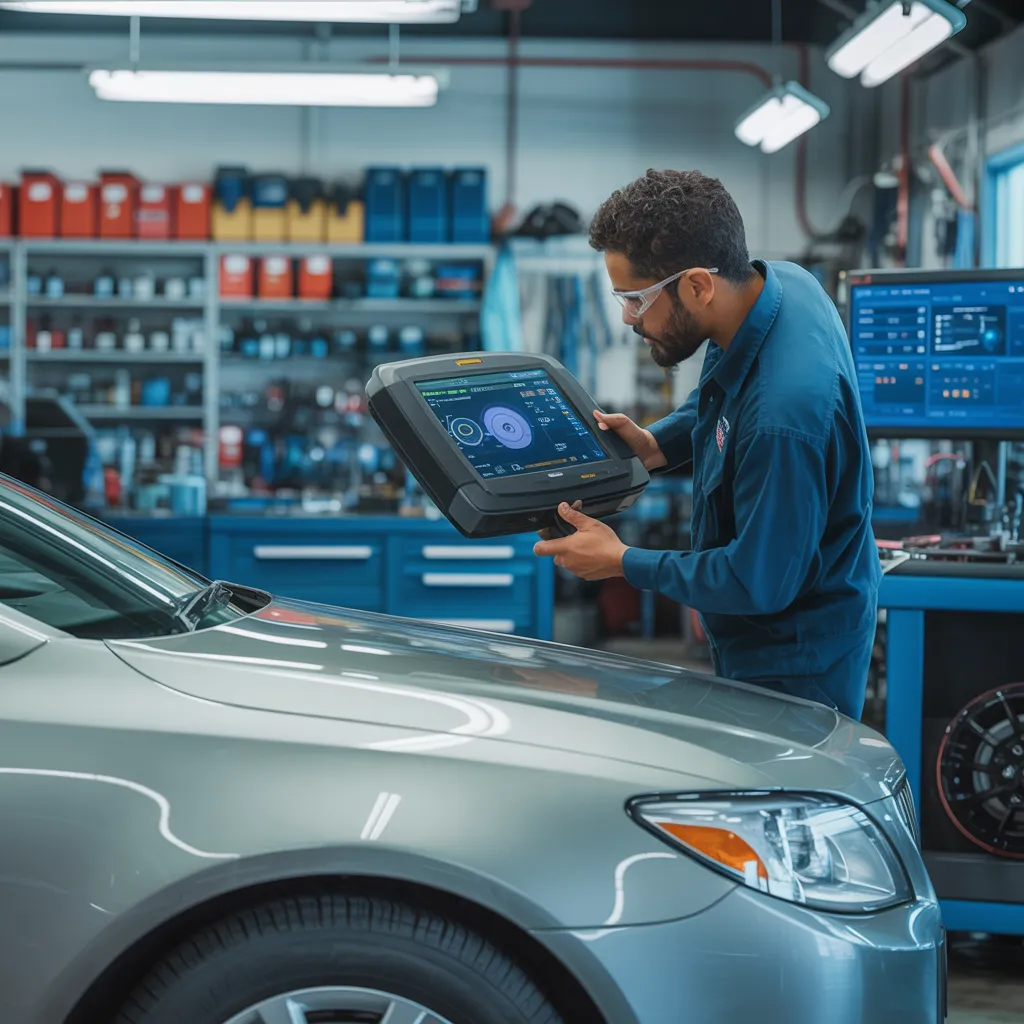
The Importance of Regular Auto Repair for Your Vehicle
Regular auto repair is essential for maintaining a vehicle's performance and longevity. When drivers prioritize regular maintenance, they guarantee that their automobiles operate smoothly and efficiently. This proactive approach stops minor issues from escalating into major problems that might demand costly repairs. Scheduled examinations, oil changes, and brake inspections contribute to the overall health of the vehicle, helping it to perform at its best.
Additionally, regular auto repair aids in detecting potential safety hazards early on. By addressing issues such as deteriorated tires or malfunctioning lights promptly, drivers can prevent accidents and secure their safety on the road. Furthermore, upholding a vehicle's condition can boost its resale value, appealing to potential buyers who seek well-maintained cars. In conclusion, consistent auto repair is vital for safeguarding a vehicle's functionality, safety, and value, making it an vital aspect of responsible vehicle ownership.
Essential Advantages of Preventative Maintenance
Although numerous car owners might neglect the critical nature of proactive maintenance, its benefits are considerable and extensive. Regular maintenance helps to extend the lifespan of a vehicle by confirming that all components function efficiently. By addressing minor issues before they develop into major problems, owners can save substantial repair costs in the long run. Moreover, proactive maintenance can improve fuel efficiency, which directly impacts overall operating expenses.
Additionally, keeping a well-maintained vehicle can improve its resale value, making it more enticing to future owners. This practice also facilitates a better driving experience, enhancing overall comfort and enjoyment for the driver and passengers. Furthermore, proactive maintenance fosters a sense of responsibility and care for the vehicle, creating a more informed owner who is knowledgeable about their automobile's condition. To conclude, the advantages of proactive maintenance are numerous, underscoring its essential role examination in vehicle ownership.
How Regular Inspections Strengthen Safety
Regular maintenance not only prolongs a vehicle's lifespan but also plays an essential role in enhancing safety. Regular check-ups guarantee that critical components such as brakes, tires, and lights are functioning at optimal performance. By identifying potential issues before they escalate, mechanics can address problems that may compromise a driver's ability to respond effectively in emergencies. For instance, worn brake pads can severely increase stopping distances, while improperly inflated tires can lead to loss of control. Moreover, routine inspections can reveal hidden hazards, such as fluid leaks or faulty wiring, which could pose serious risks on the road. Additionally, confirming that safety features like airbags and seat belts are in working order provides peace of mind for both drivers and passengers. Ultimately, a commitment to regular check-ups fosters a culture of safety, greatly reducing the likelihood of accidents and increasing overall driving confidence.
What Happens When You Skip Auto Repairs?
Neglecting auto repairs can lead to escalating costs as simple issues transform into major problems. Additionally, failing to address necessary maintenance increases safety risks for both the driver and others on the road. The consequences of such neglect can be both financially burdensome and dangerous.
Increased Service Costs
Car maintenance is commonly perceived as a required nuisance, though overlooking them can bring about substantially elevated costs over time. When small problems, such as a small leak or damaged brake pads, are ignored, they can escalate into major problems requiring extensive repairs. For instance, a neglected oil change can lead to engine damage, resulting in expensive replacements. Additionally, postponing repairs can impact the vehicle's effectiveness, causing higher fuel usage and more financial stress. Regular maintenance not only avoids these issues but also extends the durability of the vehicle. Finally, timely car repairs can help save car owners significant amounts of money, making it a sound investment in their vehicle's sustained reliability and operation.
Safety Concerns at Stake
When car maintenance is delayed, the security of everyone in the vehicle can be threatened. Ignoring essential upkeep, such as brake evaluations or tire substitutions, can lead to catastrophic failures. For instance, degraded brakes may fail to perform adequately, heightening the chance of mishaps. Similarly, worn tires may lead to diminished grip, especially during poor weather, increasing the danger of sliding or losing control. Additionally, disregarding dashboard alert lights might reveal severe underlying concerns that could compromise vehicle performance. Ultimately, routine vehicle repairs are crucial not just for extending vehicle lifespan but also to safeguard all passengers. Putting safety first through prompt repairs can stop perilous scenarios on roadways.
Recognizing Signs Your Car Needs Urgent Attention
What are the ways a driver can recognize if their vehicle is struggling? Several important signs warrant prompt attention. Uncommon noises, such as grinding, squealing, or clunking, typically suggest mechanical complications. Furthermore, dashboard warning lights, like the check engine light, must not be overlooked, as they may signal severe issues. Drivers may also notice changes in handling or performance, such as difficulty steering or reduced acceleration, which could point to issues with brakes or the transmission. Leaks under the vehicle, whether oil, coolant, or other fluids, are further signs that something is amiss. In conclusion, abnormal scents, such as burning rubber or sweet antifreeze, point to potential risks that demand swift inspection. Recognizing these signs early can help prevent extensive damage and guarantee the vehicle remains safe for operation. Ongoing attention and swift repairs are critical to keeping a reliable automobile.
The Way Preventative Care Reduces Your Costs
Regular vehicle maintenance serves a critical function in minimizing extended expenses for car owners. By promoting early detection of concerns, it avoids trivial matters from advancing into high-priced repairs. Moreover, routine servicing results in prolonged vehicle durability and better fuel economy, thus optimizing financial benefits.
Early Issue Recognition
Although many car owners may neglect routine maintenance, early problem detection through preventative care can dramatically reduce long-term repair costs. By regularly inspecting key components such as brakes, tires, and fluids, mechanics can spot minor issues before they escalate into major repairs. For instance, a small oil leak identified during an oil change can be fixed swiftly, preventing engine damage and costly replacements. In addition, addressing worn brake pads early can enhance safety and avoid rotor damage. Regular check-ups not only prolong the vehicle's lifespan but also foster a proactive approach to car ownership. Finally, investing time and money in preventative care is a wise decision that guards against unexpected expenses and provides a smoother, more reliable driving experience.
Enhanced Vehicle Longevity
Regular upkeep not only contributes to early problem identification but also performs a key role in boosting vehicle longevity. By sticking to a steady service routine, car owners can efficiently increase the longevity of their vehicles. Routine tasks such as oil changes, tire rotations, and brake inspections prevent minor issues from escalating into major repairs, which can be costly. Additionally, keeping critical components in peak condition guarantees that the vehicle operates smoothly and safely. This anticipatory approach not only safeguards the vehicle's value but also boosts dependability, lowering the risk of unexpected malfunctions. In the end, committing to routine auto maintenance results in substantial savings over time, making it a smart financial choice for any car owner.
Better Fuel Performance
Enhanced fuel efficiency is a major benefit of routine auto maintenance that can result in substantial savings for vehicle owners. Regular inspections and timely repairs ensure that essential components, such as the engine, air filters, and tires, operate at maximum performance. A well-maintained vehicle typically encounters less friction and better combustion, resulting in improved gas mileage. Furthermore, addressing issues like under-inflated tires or dirty fuel injectors can avoid unnecessary fuel consumption. Preventative care not only enhances performance but also results in reduced emissions, supporting the environment. By investing in regular maintenance, car owners can enjoy lower fuel costs and extend the lifespan of their vehicles, ultimately leading to greater financial savings over time. Emphasizing fuel efficiency is a smart choice for any vehicle owner.
Establishing an Auto Repair Maintenance Schedule
Establishing an efficient auto repair maintenance schedule is essential for vehicle lifespan and performance. A carefully designed schedule enables vehicle owners stay organized and proactive in addressing maintenance demands. It typically includes regular oil changes, tire rotations, and brake inspections, coordinated with the producer's recommendations.
To establish a personalized maintenance plan, car owners should consider their driving behaviors, climate circumstances, and the vehicle's age. Documenting maintenance tasks in a calendar or digital app can aid in tracking service dates and mileage intervals.
Moreover, scheduling seasonal checks, such as battery condition ahead of winter or air conditioning inspections ahead of summer, can prevent unexpected breakdowns.
In the end, a thorough maintenance schedule not only increases safety but also improves the vehicle's resale value. By sticking to this schedule, owners can ensure their cars remain trustworthy and efficient over time.
Questions and Answers
How Frequently Should My Car Receive a Check-Up?
Specialists advise taking a vehicle for a service every 5,000-7,500 miles, or at least twice a year. Periodic examinations help detect potential issues early, ensuring maximum performance and extending the vehicle's lifespan.
Is It Possible to Handle My Own Auto Repairs?
Yes, individuals can perform their own auto repairs if they possess the necessary skills, tools, and knowledge. However, caution is advised, as improper repairs can lead to safety issues and additional damage to the vehicle.
What Tools Will I Need for Basic Car Maintenance?
Basic car maintenance requires essential tools including a socket set, wrenches, screwdrivers, pliers, an oil filter wrench, a jack, jack stands, and a tire pressure gauge to guarantee efficient and secure repairs.
Are There Particular Auto Repair Shops You Suggest?
He suggested researching local auto repair shops with excellent reviews, reviewing online platforms such as Yelp or Google, and seeking friends for recommendations. Quality and reliability are vital when selecting a shop for vehicle maintenance.
Where Can I Find a Dependable Mechanic?
To locate a reputable mechanic, it's advisable to ask for recommendations from loved ones, read online reviews, confirm certifications, and stop by shops for preliminary consultations to evaluate professionalism and customer service prior to making a decision.